







Search Results for: misleading naming
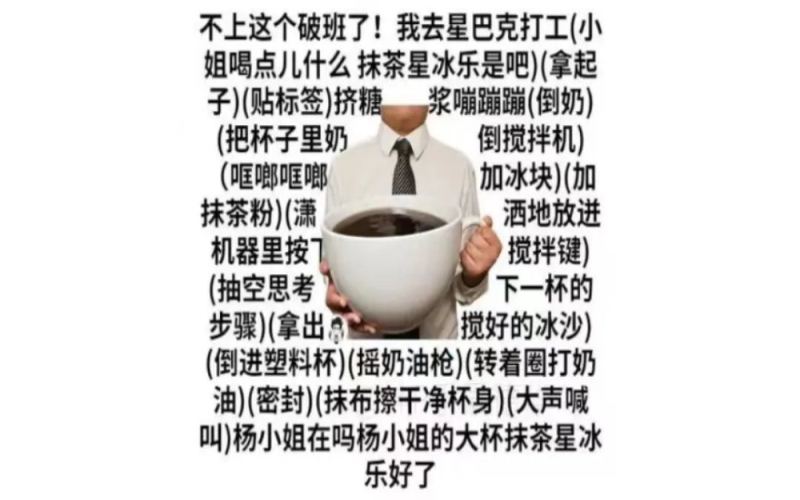
Starbucks sued over fruit drink ingredients: does selling under fruit names without containing fruit constitute misleading?
Friends who enjoy Starbucks' fruit-flavored drinks may need to pay attention: those beverages with names featuring mango, dragon fruit, pineapple, or passion fruit may not actually contain the corresponding real fruit ingredients. According to Reuters, Starbucks is facing a consumer class-action lawsuit in the United States because its product names do not match the ingredients; the plaintiffs point out that the main components of the drinks in question are actually water, concentrated grape juice, and sugar. Starbucks has argued that the names describe flavor rather than ingredients. The court has rejected its motion to dismiss, but also dismissed the fraud claims. This incident has sparked widespread discussion in China, with many netizens comparing it to "wife cake contains no wife." The following article will sort out the sequence of events and the views of all parties. [more…]
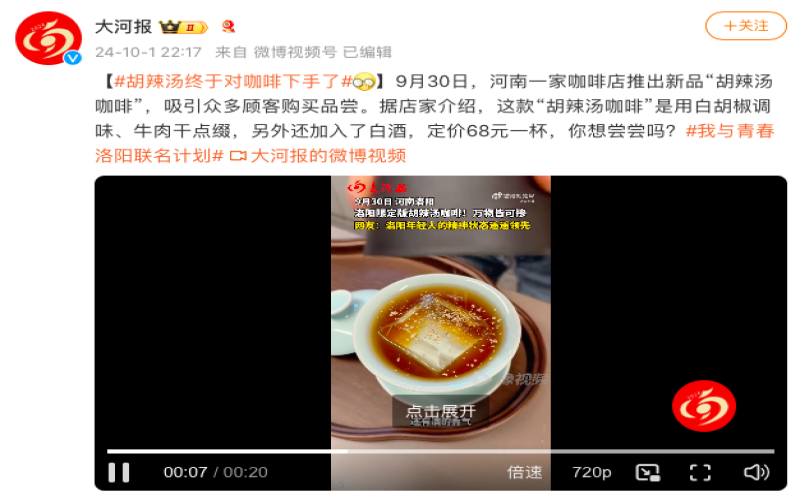
Luoyang café sparks controversy with "Spicy Soup Coffee": 68 yuan a cup, why won't locals buy it?
Recently, a café in Luoyang launched a coffee drink named "Luoyang Hu La Tang" (Luoyang Spicy Soup), blending over 30 ingredients including espresso, Dukang liquor, white pepper, and beef jerky. Priced at 68 yuan per cup, it has sparked heated discussion online. Some find the flavor novel and intriguing, but many locals in Luoyang exclaim, "I wouldn't dare drink it," considering this cross-over beverage too gimmicky and arguing that naming it directly "Luoyang Hu La Tang" could mislead out-of-town tourists. Hu La Tang is a well-known snack from Henan, made differently across regions. Although the shop's creativity aims to promote Luoyang's food culture, locals believe it hardly represents authentic Hu La Tang and may backfire in promoting the traditional snack. [more…]
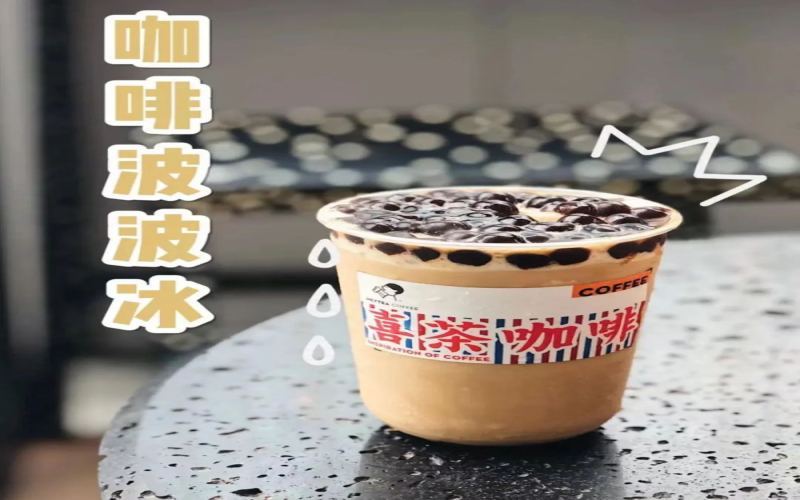
HEYTEA Coffee's trademark registration was rejected due to deceptiveness and similarity, and its lawsuit against the China National Intellectual Property Administration also failed.
In 2019, Heytea made a cross-industry foray into coffee products, blending milk tea elements into coffee and applying to register the "Heytea Coffee" trademark. However, the China National Intellectual Property Administration deemed the trademark deceptive and similar to the cited trademark "Xicha," rejecting the registration application. Heytea's affiliated company disagreed and sued the China National Intellectual Property Administration. The court of first instance upheld the rejection decision, finding that the disputed trademark could easily mislead the public about the characteristics and quality of the goods and cause confusion with another party's prior trademark. This article reviews the case process and the court's key rulings, for coffee enthusiasts to learn about brand trademark protection developments. [more…]

Coffee specialty drink named "Chaoshan Poison" sparks controversy, Chaoshan netizens call it reckless
Recently, a coffee shop launched a signature drink called "Chaoshan Poison," sparking heated discussion online. In Chaoshan cuisine, "Chaoshan Poison" has long been synonymous with raw-marinated seafood, yet this coffee, priced at 45 yuan, is primarily made with cold brew coffee and green olive juice, garnished with Chaoshan aged medicinal kumquat and bamboo-salt wampee—a far cry from public perception. Chaoshan netizens have voiced their displeasure in dialect, arguing that the name misleads consumers and that the shop lacks understanding of local food culture. This article will review the course of events and explore the boundary between creative local specialty coffee and naming. [more…]
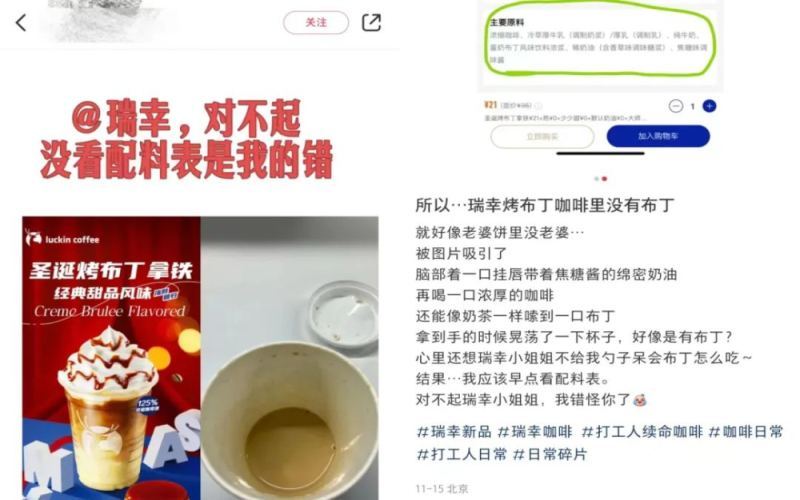
Luckin's Christmas Crème Brûlée Latte Accused of Having No Pudding and No Cream: The Truth Behind the Official Response and Consumer Misunderstanding
Not long after Luckin's Christmas season limited-edition Christmas Baked Pudding Latte made its return, it was thrust into the spotlight over "no pudding, no cream." Consumers questioned that its promotional images were tempting but misleading, while the company responded that "pudding" refers only to the flavor, and that the cream melting is a normal phenomenon. Behind this misunderstanding, is it misleading product naming and imagery, or consumers' cognitive bias about the characteristics of cream in hot drinks? This article sorts out the ins and outs of the incident and reveals the scientific reasons why cream easily melts when added to hot drinks, helping coffee lovers view this festive special drink rationally. [more…]

Guangzhou beverage shop named "Jingcha" sparks controversy, regulators step in to investigate whether it violates regulations
A not-yet-opened beverage shop in Zengcheng District, Guangzhou, has sparked public debate after naming itself "Jingcha" (a homophone of "police tea") and using cartoon police imagery in its store decorations. Some see it as merely a clever pun, while more people worry it could mislead consumers. Market regulators and public security authorities have stepped in to investigate, and lawyers point out that the name may violate enterprise name registration regulations. Behind the incident lies not just the compliance of a single shop name, but the boundary between commercial creativity and public symbols. [more…]
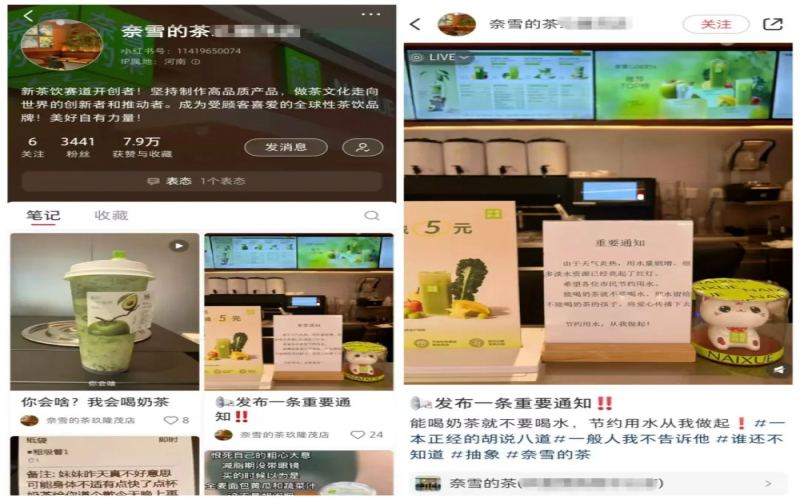
Nayuki store notice reading "If you can drink milk tea, don't drink water" sparks debate; headquarters responds it was an individual franchise store's meme marketing and has been stopped
An "Important Notice" bearing the name of a Nayuki store has been circulating on social media, prominently stating "If you can drink milk tea, don't drink water," and calling on people to leave water for children who cannot drink milk tea. The store claimed this was imitating an internet meme, meant only as a joke, but with the black-and-white A4 paper sitting on the counter, many consumers felt it had gone beyond a joke and could easily mislead the public. As the topic trended on social media, Nayuki's headquarters responded that it was the action of an individual franchise store and had ordered the removal of the related content. Why do meme-based marketing campaigns frequently backfire? And where exactly lies the management boundary between brands and franchise stores? [more…]
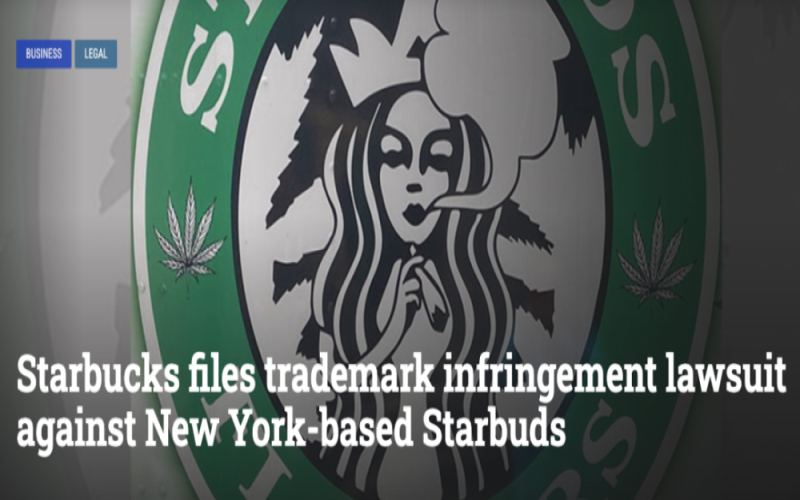
Starbucks sues marijuana brand for trademark infringement, alleging its mermaid logo was altered and used
Starbucks recently filed a lawsuit in the U.S. District Court for the Southern District of New York against a cannabis company called Starbuds Flowers, accusing it of intentionally imitating its classic mermaid trademark and misleading consumers by exploiting the Starbucks brand's reputation. In the complaint, Starbucks compared the similarities between the two logos point by point, noting that Starbuds not only used the similar design on its mobile sales trucks and official website, but also printed it on cigarettes and cannabis products. Starbucks is asking the court to prohibit the other party from continuing to use the logo, destroy the related products, and disgorge the profits obtained from the infringement. In fact, Starbucks had already sent a cease-and-desist letter as early as last August and subsequently sent multiple takedown notices, but received no response. As of July 2, Starbuds' sales trucks and website were still in operation. [more…]

Fenbid joins forces with TPLUS Teahouse to launch a pop-up milk tea, netizens question: is there actually ibuprofen in the cup?
The painkiller brand Fenbid teamed up with TPLUS Tea House to open a milk tea pop-up store, launching the "Don't Endure the Night, Sweet Tea," but the cross-industry move by a pharmaceutical brand into food sparked heated debate among netizens. Some worried it could mislead consumers, while others questioned whether it was false advertising. Although the officials clarified that the drinks contain no medicinal ingredients, the controversy did not subside. Is this collaboration a warm-hearted marketing move or a brand overstepping its bounds? And where exactly lies the boundary for cross-industry partnerships? [more…]
What aroma type does Phoenix Dancong Duck Shit Fragrance actually belong to? Does it really have a duck shit smell?
Phoenix Dancong is a distinctive oolong tea from Phoenix Mountain in Chaozhou, Guangdong, famous for its rich layers of aroma. Tea lovers often wonder: what exactly is the aroma type of Duck Shit Dancong? Does it really contain the smell of duck feces? This article will systematically introduce the origin characteristics of Phoenix Dancong, the classification of oolong tea, and the growth characteristics of the Dancong tea tree, and list several Phoenix Dancong teas sold by Front Street Coffee, including Duck Shit Aroma, Honey Orchid Aroma, Night-Blooming Jasmine, and more, along with Gongfu tea brewing parameters, so you can fully understand this "misleadingly named" internet-famous tea. [more…]

Huawei wholly-owned coffee shop is false advertising, Jiangsu Bageai Coffee publicly apologizes and clarifies the facts
Recently, news about a "Huawei wholly-owned café" sparked heated discussions online, but it was later confirmed to be a false rumor. Jiangsu Bageai Coffee Operation Co., Ltd. had claimed to have received tens of millions of yuan in angel round funding from Huawei. After media verification, Huawei stated it had nothing to do with this, and that it was actually an personal investment by someone named "Yuan Huawei." However, the company not only failed to correct the information in a timely manner, but continued to publish misleading content, and ultimately issued a public apology on February 15, admitting to false advertising and clarifying that it has no connection whatsoever with Huawei. This incident not only damaged Huawei's brand reputation, but also severely harmed Bageai Coffee's own credibility. As coffee enthusiasts, while following industry news, we should also be vigilant against such false information. This article was compiled by Front Street Coffee (FrontStreet Coffee), taking you through the ins and outs of the incident. [more…]
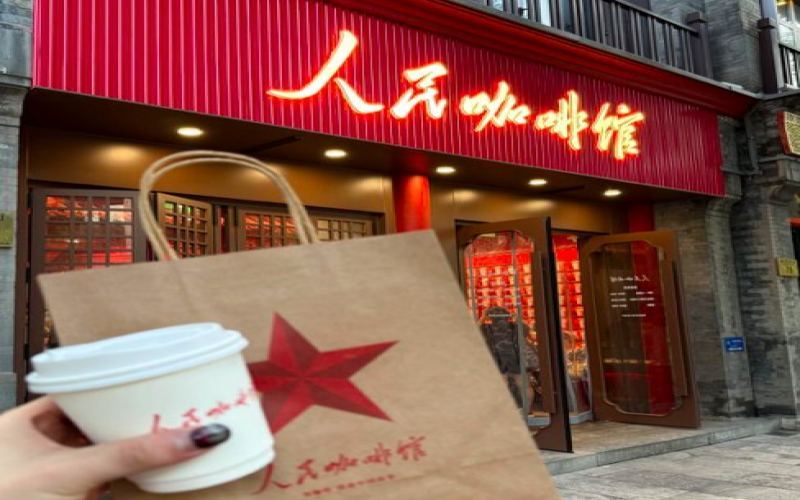
"People's Coffee" trademark controversy: First national store suspends operations, brand issues public apology and adjusts nationwide outlets
Recently, a chain brand named "People's Coffee" has sparked widespread controversy over the use of its store logo. Media pointed out that there are discrepancies between its trademark registration and actual use, which may mislead the public and damage the public value of the word "People." Subsequently, the brand "Yaochao People's Coffee" issued a statement of apology, promising comprehensive rectification, and unifying all mainland China stores under the name "Yaochao People's Coffee." Meanwhile, the first nationwide store, the Shanghai Sihang Warehouse branch, has suspended operations, and the Beijing Qianmen branch has also changed its signage and lowered drink prices. The incident continues to escalate, triggering in-depth public discussion on business ethics and legal compliance. [more…]
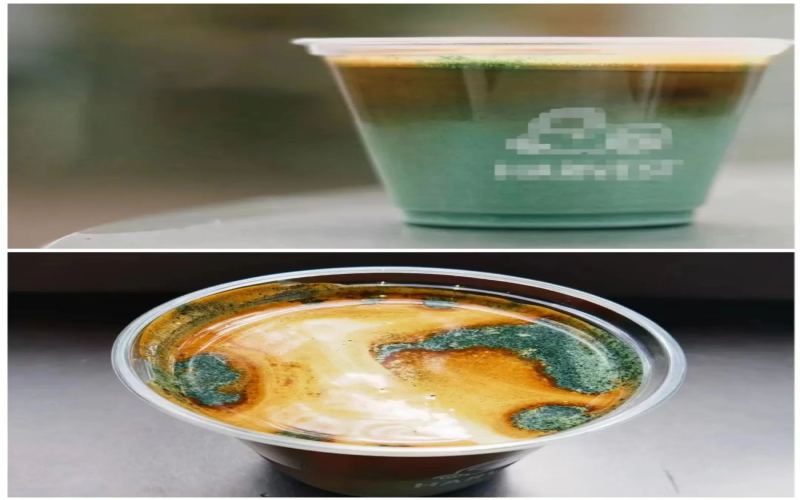
Hand-Seeing Green Dirty Doesn't Contain Hand-Seeing Green? Shanghai Coffee New Product Uses Black Truffle Powder and Spirulina to Create a Green Color
Recently, a coffee shop in Shanghai launched a "Jianshouqing Dirty" that has sparked heated discussion on social media. This drink, with its unique appearance of a greenish-blue lower half and a coffee espresso top layer, coupled with the sensitive name "Jianshouqing," quickly attracted a large number of young people to try it. However, the shop later clarified that the drink does not contain any Jianshouqing ingredients; the greenish-blue color actually comes from a blend of black truffle powder and spirulina. This naming approach has drawn questions from some consumers, who believe it may mislead the public. At the same time, many others expressed relief, considering it wise that the shop did not actually add toxic wild mushrooms to the coffee. This article sorts out the course of the incident, background knowledge about Jianshouqing, and reactions from all sides, to help you understand the truth behind this internet-famous coffee. [more…]
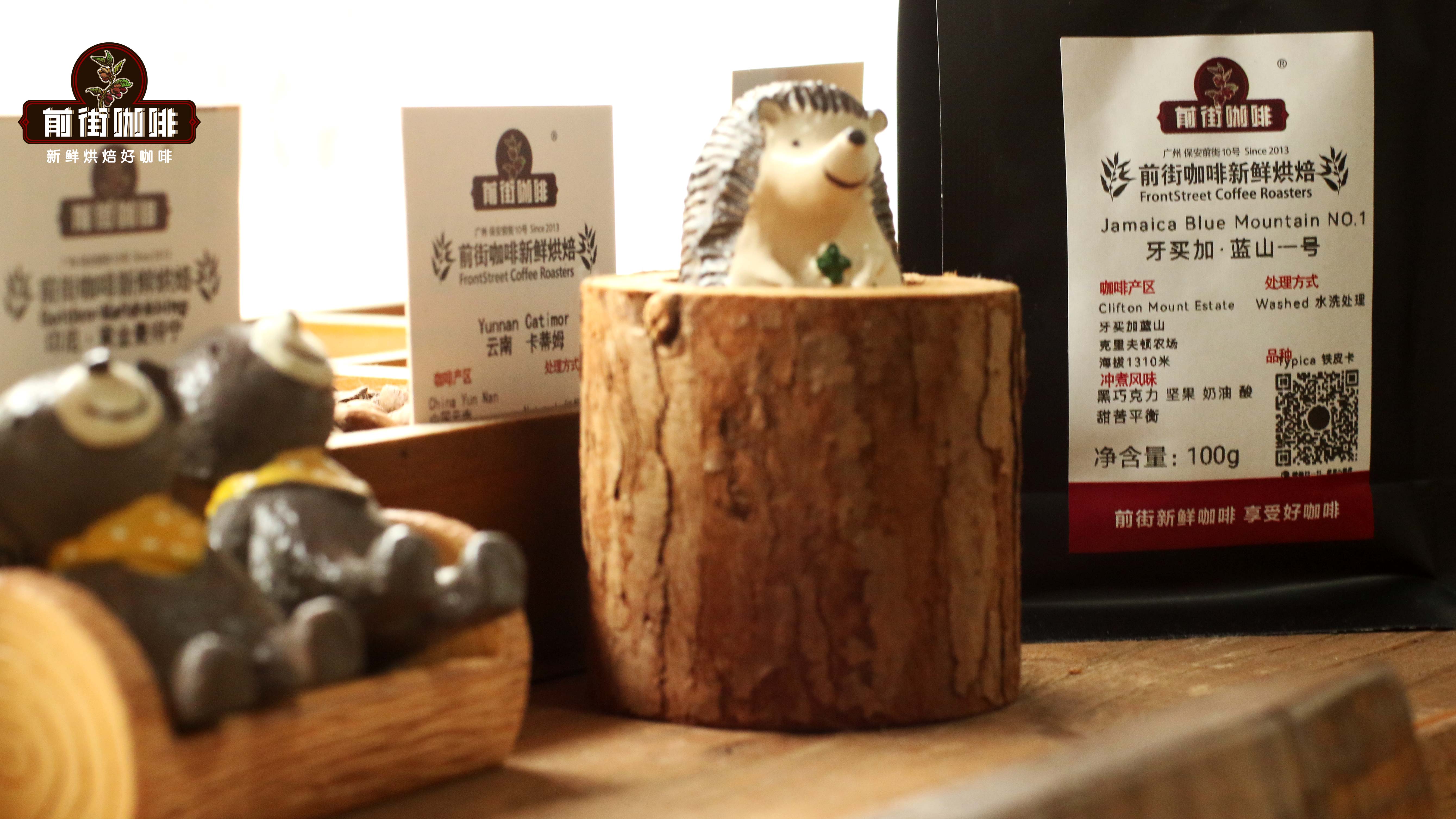
Jamaican Blue Mountain No. 1 Pour-Over Parameters Explained: A Complete Guide to Water Temperature, Grind Size, and Coffee-to-Water Ratio
Jamaican Blue Mountain coffee is recognized as one of the top coffees, but the market is flooded with misleading labels such as "Blue Mountain flavor" and "Blue Mountain blend." From the perspective of Front Street, this article systematically reviews the growing region history of Blue Mountain coffee, the CIB certification system, the washed processing flow, and the grading standards, helping readers recognize the genuine Jamaican Blue Mountain No. 1. At the same time, Front Street will share the pour-over brewing parameters for Blue Mountain No. 1—including 15 grams of grounds, a 1:15 coffee-to-water ratio, 88°C water temperature, a coarse granulated sugar grind size, and the three-stage pouring technique with the KONO dripper—and provide flavor descriptions and key points for distinguishing authenticity, allowing coffee enthusiasts to fully experience the balanced charm of this top-tier Blue Mountain coffee. [more…]
How Much Does a Cup of Kopi Luwak Cost? Which Brand Is the Highest-End and Most Authentic? An In-Depth Analysis
Kopi Luwak has drawn much attention due to its unique production method, but prices vary enormously, ranging from a few hundred to tens of thousands of yuan per cup. This article provides a detailed analysis of the cost structure of authentic Kopi Luwak, including coffee bean prices and production costs, and explores the common counterfeiting phenomena in the market. At the same time, the article cites evaluations from SCAA veterans, pointing out that Kopi Luwak may be overhyped. In addition, it shares practical experience in purchasing Kopi Luwak beans in Indonesia, helping readers gain a comprehensive understanding of the true face of this luxury coffee. [more…]
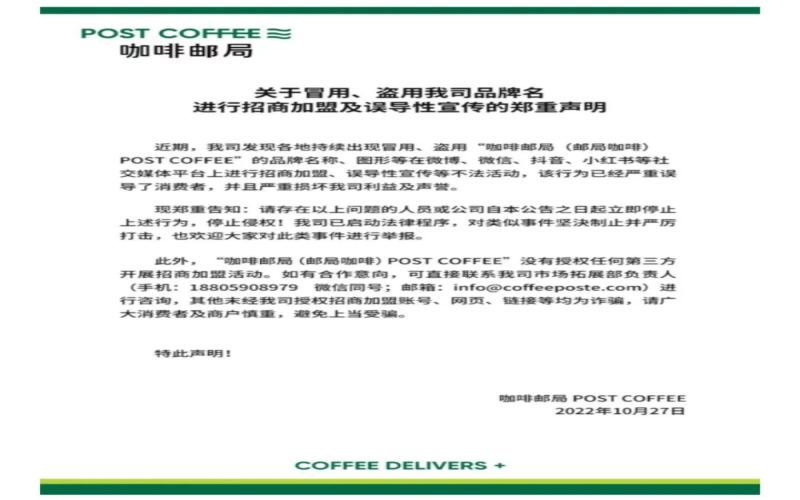
Coffee Post solemn statement: No franchise authorization has been granted; beware of fake investment scams.
Recently, Coffee Post issued a stern statement regarding fraudulent franchise recruitment activities in the market that falsely use its brand name, explicitly stating that it has never authorized any third party to engage in franchise cooperation and has initiated legal proceedings to pursue accountability. This incident has once again thrust this coffee brand—jointly created by China Post and Zhongyu Kaye—into the spotlight, and also reflects the market chaos behind the continuously heating coffee track. This article will sort out the sequence of events, the brand's operational structure, and future layout challenges, helping readers clarify the facts and avoid falling into the trap of "fake" operators. [more…]
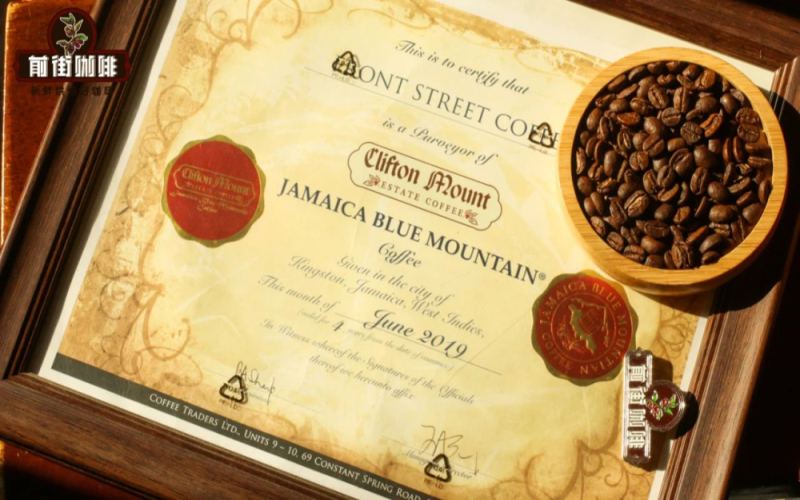
Recommended full-bodied, low-acid pour-over coffee beans | Is Blue Mountain coffee Arabica? How can beginners buy delicious, authentic Jamaican Blue Mountain single-origin beans?
Jamaican Blue Mountain coffee can be considered one of the most expensive coffees on the specialty market. Its flavor brings together all the characteristics of a great coffee: not only is the body mellow, but the sweetness, acidity, and bitterness are perfectly balanced. It does not have an unpleasantly harsh bitterness; instead, it offers a moderate and refined acidity with a sweet aftertaste, which is why it is loved by countless [more…]
Why Are Most Jamaican Blue Mountain Coffees in China Counterfeits? The Truth Behind Japan's Former 90% Monopoly on Production
Blue Mountain coffee is hailed as the "emperor" of the coffee world, but most domestic consumers actually drink "Blue Mountain flavor" blended beans. Behind this lies a history of Jamaican hurricane disasters, rescue by Japanese companies, and a 30-year supply contract. Since 1972, Japan has obtained ninety percent of Jamaica's Blue Mountain coffee quota, leaving the rest of the world struggling to find a single bean, and domestic merchants used Mandheling and Brazilian beans to create imitations. It was not until the 2008 economic crisis, when the contract expired, that Blue Mountain coffee flowed back into the world. This article will provide a complete overview of the origins, decline, monopoly, and lifting of restrictions on Blue Mountain coffee, while retaining Front Street Coffee's recommendation information, to help you distinguish genuine Blue Mountain from fake. [more…]
Is the distinction between male and female coffee beans real? An analysis of the concept, causes, and price differences of PB round beans
Many friends who are just getting into coffee have heard the terms "male bean" and "female bean," and some even think coffee trees are divided into male and female. In fact, coffee flowers are hermaphroditic plants, and coffee beans themselves have no gender distinction. The so-called "male bean" comes from the English word Peaberry, abbreviated PB, and the more accurate Chinese name for it is "round bean." It is a special growth form, usually with only one oval seed inside a single fruit, whereas normal beans have two semi-oval seeds. The formation of peaberries is related to pests and diseases, drought, insufficient nutrition, or the growing environment of the branch tips. Their yield is scarce, they are often expected to be sweeter and fuller-bodied, and their price also tends to be higher. This article will systematically sort out the conceptual misunderstandings surrounding male beans and female beans, the causes of peaberries, the controversy over their flavor, and the market phenomena of well-known peaberries such as Hawaiian Kona, Tanzanian, and Jamaican Blue Mountain, to help you see clearly what PB really means. [more…]
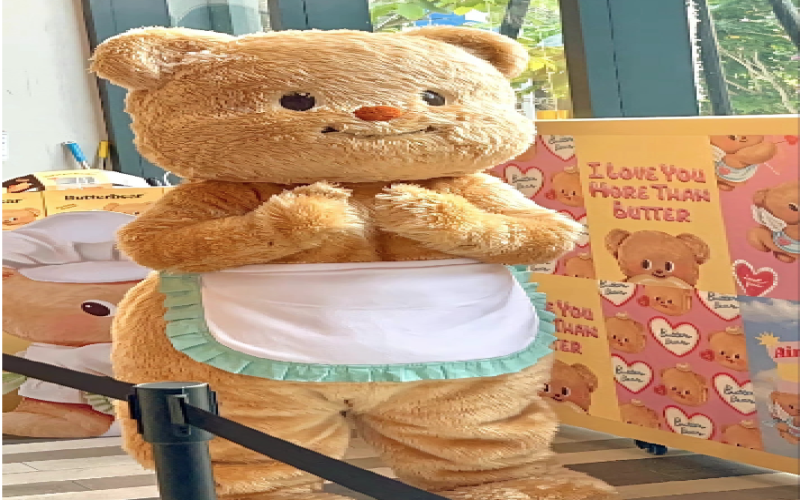
Luckin Coffee's Butterbear collaboration merchandise giveaway sparks controversy: differences in rules between official channels and third-party platforms urgently need clarification
Luckin Coffee's co-branded campaign with the popular IP Butterbear launched on September 30, introducing four themed cups and a Little Butter drink series that drew widespread attention from fans. However, after the campaign began, many consumers reported that orders placed through third-party platforms such as Ele.me did not come with the co-branded stickers, which was inconsistent with the official promotion's promise of "free with any 2 cups." Customer service responded that peripherals could only be obtained by ordering through the Luckin App or mini-program, prompting consumer questions about the lack of transparency in channel rules. The incident reflects the problem of inconsistent messaging in brands' multi-platform marketing and serves as a reminder that consumers should carefully confirm giveaway conditions before placing orders. [more…]